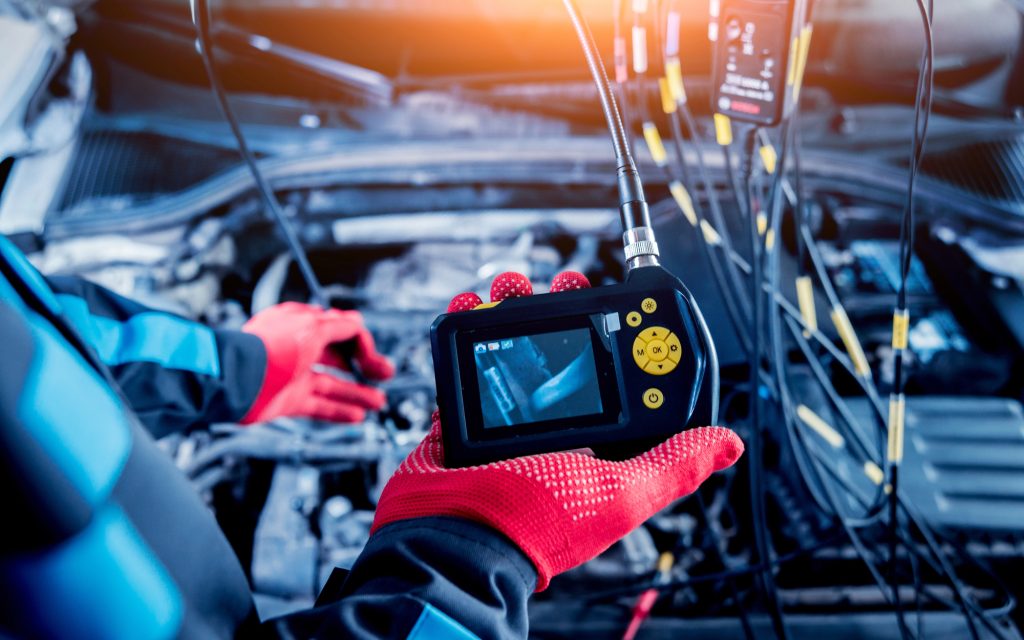
If your car will not start, your headlights look dim, or your electronics begin acting strangely, it is easy to blame the battery. Sometimes that is the correct answer. But not every no-start, flickering light, or warning light points to a bad battery. In many cases, the battery is only the first symptom of a larger electrical problem. Ron’s Auto Repair Center in Ames, IA offers both auto electrical repair and car diagnostic testing, which makes this exactly the kind of issue their team is built to diagnose properly.
A modern vehicle depends on far more than a battery to work correctly. Your starter, alternator, wiring, fuses, relays, sensors, modules, and charging system all have to work together. When one of those parts starts to fail, the symptoms can overlap. That is why many drivers replace a battery first, only to find the same problem comes back a few days or weeks later.
Why Electrical Problems Are Often Mistaken for Battery Problems
The battery gets blamed first because it is the most visible part of the system. If the car is dead, many people assume the battery is weak. That is not a crazy assumption. Batteries do fail. But electrical problems can create the same warning signs.
For example, a failing alternator may not recharge the battery while you drive. Corroded battery terminals may prevent proper power flow. A parasitic drain may be pulling power from the battery overnight. A weak starter may make it seem like the battery is dead when the real issue is the starting system. Damaged wiring can also interrupt power to critical components and create inconsistent, hard-to-pin-down problems.
The result is simple: the battery may be dead, but that does not automatically mean the battery is the root cause.
Signs Your Car Has an Electrical Problem and Not Just a Bad Battery
You Need Frequent Jump Starts
If your vehicle needs repeated jump starts, something is wrong beyond normal wear. A battery that was recently replaced should not keep dying unless another issue is draining it or the charging system is failing. This is one of the clearest signs that the problem may be electrical and not just battery-related.
Your Headlights or Interior Lights Flicker
Lights that dim, pulse, or flicker while driving often point to inconsistent voltage. That can happen when the alternator is weak, when connections are loose, or when wiring is damaged. If brightness changes as you accelerate, that is another clue the charging system may be involved.
Power Windows, Locks, or Accessories Act Up
If your radio cuts out, power windows move slowly, door locks stop responding, or the dashboard behaves oddly, that is usually not caused by a simple battery issue alone. Intermittent accessory failure often points to wiring faults, blown fuses, poor grounds, or failing electrical components.
The Battery Light or Other Warning Lights Come On
A battery light on the dashboard does not always mean you need a new battery. In many vehicles, it indicates a charging problem. You may also see the check engine light, ABS light, traction control light, or multiple warning lights at once. That kind of cluster can happen when electrical voltage is unstable.
Your Car Cranks Slowly or Starts Inconsistently
A slow crank does not always mean the battery is old. It can also happen when there is a poor cable connection, a weak starter, a charging issue, or excessive resistance somewhere in the electrical system. If your car starts fine one day and struggles the next, there is a strong chance the issue needs deeper testing.
Fuses Keep Blowing
A blown fuse once in a while is one thing. Repeated blown fuses are different. That often signals an overloaded circuit, short, or component failure. Replacing the fuse without finding the cause is just a temporary bandage.
You Notice a Burning Smell
A hot electrical smell, melting plastic odor, or burnt insulation scent should never be ignored. Those signs can point to overheating wires, a short circuit, or excessive draw in part of the system. That moves the issue from inconvenient to potentially dangerous.
What Could Be Wrong Besides the Battery?
Alternator Failure
The alternator keeps your battery charged and powers electrical components once the engine is running. If it is weak or failing, your battery may lose charge even though the battery itself is still usable. Common signs include dim lights, trouble starting, and a battery warning light.
Corroded Battery Terminals or Ground Connections
Sometimes the problem is not the battery itself but the connection points. Corrosion on terminals or weak grounds can reduce power flow and create erratic performance. Even a good battery cannot do its job if the current is not traveling properly.
Starter Problems
A failing starter can mimic battery trouble. You may hear clicking, get a slow crank, or get no crank at all. The battery may test fine, but the engine still will not turn over as it should.
Wiring Issues
Wiring problems are some of the most frustrating electrical faults because symptoms can be inconsistent. A damaged wire may work sometimes and fail other times depending on vibration, moisture, or temperature. That can make the problem feel random when it is not.
Faulty Relays, Fuses, or Modules
Modern cars depend on electronic controls. A bad relay, blown fuse, or failing control module can affect ignition, charging, lighting, locks, sensors, and more. That is one reason proper diagnostics matter so much today.
Parasitic Battery Drain
If your battery keeps dying overnight or after the car sits for a short period, there may be a parasitic drain. That means something is still pulling power when the vehicle is off. It could be a light, module, switch, or accessory that is not shutting down correctly.
Why Proper Diagnostics Matter
Guessing is expensive. Too many drivers replace the battery first because it feels like the easiest answer. Sometimes that works. Sometimes it just delays the real repair. If the actual issue is a bad alternator, poor wiring connection, failing starter, or drain somewhere in the system, the new battery will not solve much.
That is why diagnostic testing matters. Ron’s Auto Repair Center’s diagnostic service includes a detailed scan of your vehicle’s computer systems to identify what needs attention, and the shop’s electrical repair service specifically covers starter service, electrical diagnostics, and wiring-related issues.
In plain English, that means you are not paying for random guesses. You are paying to find the real cause.
When You Should Have the Problem Checked
You should schedule an inspection if:
- your car needs more than one jump start in a short period
- lights flicker or dim while driving
- electronics work only part of the time
- the battery light keeps coming on
- the vehicle cranks slowly even after charging the battery
- fuses blow repeatedly
- you smell something burning from under the hood or inside the cabin
Electrical issues rarely fix themselves. They usually become more inconvenient, more expensive, and harder to ignore. Waiting can also risk damage to other components.
Why This Matters for Ames Drivers
In a place like Ames, IA, reliability matters. You do not want to discover an electrical problem on a cold morning, before work, or when you are already running late. Starting and charging issues tend to show up at the worst time. Catching them early is the smarter move.
Ron’s Auto Repair Center has been serving Ames since 1982, and the shop highlights trained, ASE-certified technicians, modern diagnostics, and a full range of repair and maintenance services. Their current blog already covers battery replacement and maintenance, so this topic fits naturally as the next step by helping drivers understand when the issue goes beyond the battery itself.
A Smarter Way to Think About Battery Symptoms
Here is the mistake a lot of drivers make: they treat every no-start as a battery problem. But batteries are part of a larger system. If one part of that system is failing, the battery may be the victim, not the cause.
So if you are asking whether your car just needs a battery, step back and look at the full picture. Are the lights flickering? Are accessories failing? Has the battery already been replaced once? Does the car die again after a jump? Those clues matter. They often point to an electrical problem that needs real testing, not just another battery swap.
The signs your car has an electrical problem and not just a bad battery are usually there if you know what to watch for. Frequent jump starts, flickering lights, warning lights, blown fuses, accessory problems, and inconsistent starting should all be taken seriously. The longer you ignore them, the more likely it is the problem spreads or leaves you stranded.
If your vehicle is showing signs your car has an electrical problem and not just a bad battery, contact Ron’s Auto Repair Center for professional auto electrical repair and car diagnostic testing in Ames, IA. Call (515) 232-8555 to book an appointment.